
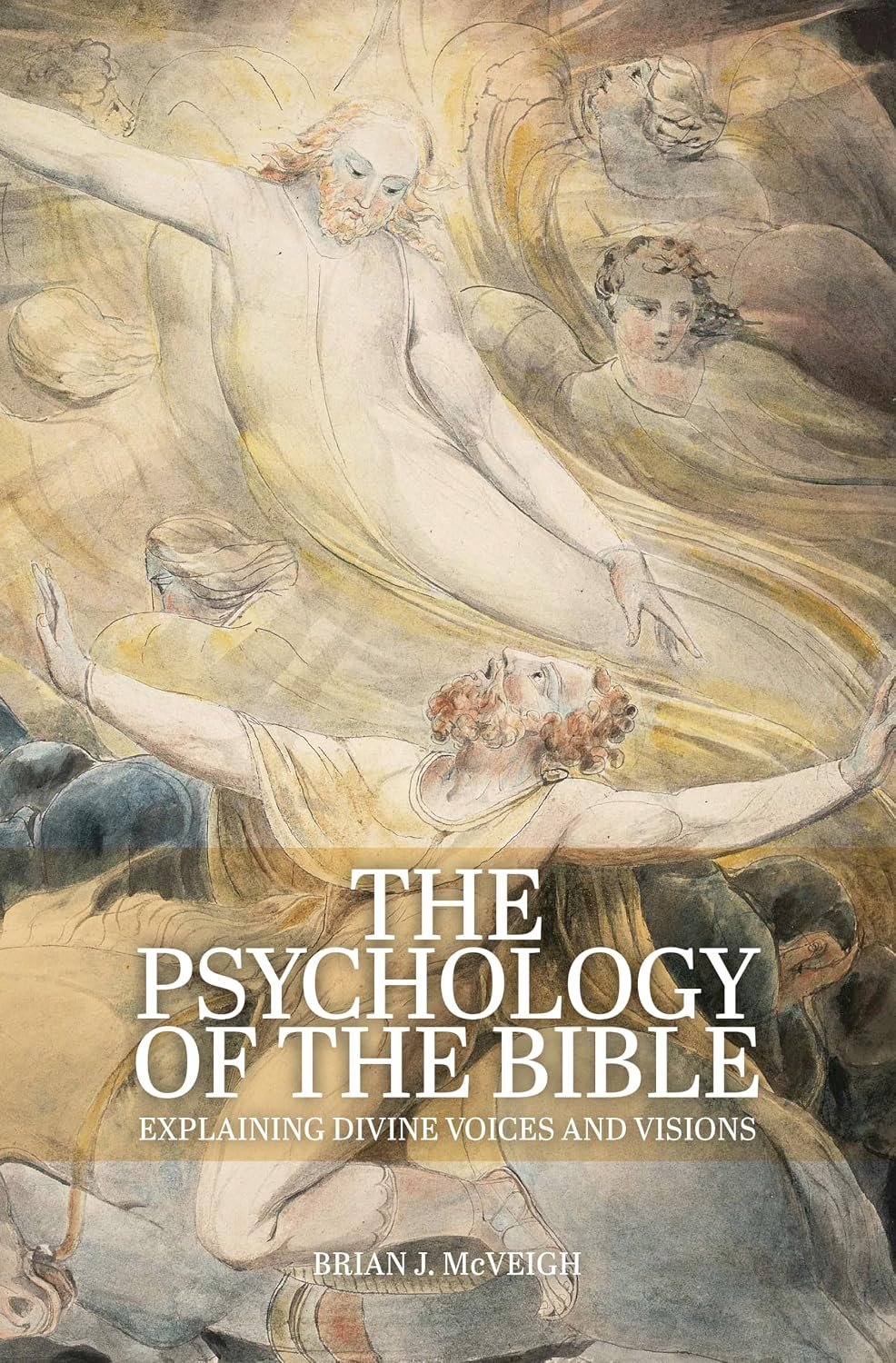
Psychology of the Bible: Explaining Divine Voices and Visions
$29.90
Related Products




Fire and brimstone, bellowing prophets, and a good dose of old-fashioned sermonizing — these are the images the Bible brings to mind. But this assortment of sacred writings, in particular the Old Testament, is more than a collection of colorful allegories or miracles-and-morals mythology. Though written in the first millennium BCE, these holy writings are a nostalgic recounting of a lost ‘super-religious’ mentality that characterized the Bronze Age. The Psychology of the Bible explores how the Old Testament provides perspective into the tumultuous transition from an earlier mentality to a new paradigm of interiorized psychology and introspective religiosity that came to characterize the first millennium BCE. By examining the Old Testament’s historical background and theopolitical context, utilizing linguistic analysis, and applying systems and communication theory, this book interprets biblical passages through a new lens. It analyzes divine voices, visions, and appearances of heavenly messengers — angel and prophets — as neurocultural phenomena and explains why they were so common. This book also answers why definitions of God changed so radically, illuminates the divinatory role of idols and other oracular aids (e.g. the Ark of the Covenant), provides a framework for appreciating why ‘wisdom literature’ became so significant, and clarifies the linkages among music, poetry, and inspiration.
Publisher : Imprint Academic (Ips)
Publication date : September 1, 2020
Edition : 1st
Language : English
Print length : 250 pages
ISBN-10 : 1788360370
ISBN-13 : 978-1788360371
Item Weight : 12.3 ounces
Dimensions : 6.63 x 0.58 x 10.25 inches
Best Sellers Rank: #285,829 in Books (See Top 100 in Books) #255 in Psychology & Religion #457 in Old Testament Criticism & Interpretation #709 in Christian Bible History & Culture (Books)
Customer Reviews: 4.6 4.6 out of 5 stars (18) var dpAcrHasRegisteredArcLinkClickAction; P.when(‘A’, ‘ready’).execute(function(A) { if (dpAcrHasRegisteredArcLinkClickAction !== true) { dpAcrHasRegisteredArcLinkClickAction = true; A.declarative( ‘acrLink-click-metrics’, ‘click’, { “allowLinkDefault”: true }, function (event) { if (window.ue) { ue.count(“acrLinkClickCount”, (ue.count(“acrLinkClickCount”) || 0) + 1); } } ); } }); P.when(‘A’, ‘cf’).execute(function(A) { A.declarative(‘acrStarsLink-click-metrics’, ‘click’, { “allowLinkDefault” : true }, function(event){ if(window.ue) { ue.count(“acrStarsLinkWithPopoverClickCount”, (ue.count(“acrStarsLinkWithPopoverClickCount”) || 0) + 1); } }); });